Can Anti-Wrinkle Injections Prevent Aging?
Key Takeaways
- Anti-wrinkle injections can temporarily reduce existing wrinkles but don’t permanently prevent aging
- Botulinum toxin (Botox) works by relaxing facial muscles that cause expression lines
- Results typically last 3-6 months before repeat treatments are needed
- Early preventative treatments may delay wrinkle formation in some people
- Complementary skincare and lifestyle factors play a significant role in aging prevention
- Professional consultation is essential to determine the right treatment approach
Understanding Anti-Wrinkle Injections and Their Role in Aging
Have you ever wondered if those tiny needles could actually stop time? Well, they can’t—not really. Anti-wrinkle injections, often called Botox (though there are other brands too), have become increasingly popular for people who want to look younger. But there’s a big difference between temporarily improving wrinkles and actually preventing the aging process.
Anti-wrinkle injections work by using a purified form of botulinum toxin to relax specific facial muscles. When these muscles can’t contract fully, the skin above them smooths out, making wrinkles less visible. It’s somewhat like pressing pause on certain facial movements that contribute to lines and wrinkles.
What many people don’t understand is that these injections don’t actually stop the aging process itself. Our skin ages due to a combination of factors—some we can control, some we can’t. Internal aging happens naturally as collagen production decreases, cell turnover slows down, and elastin fibers weaken. External factors like sun exposure, pollution, smoking, and even certain facial expressions accelerate this process.
How Anti-Wrinkle Injections Work
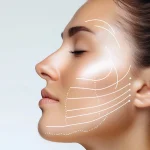
The science behind anti-wrinkle injections is pretty fascinating. When Botulinum toxin is injected into targeted muscles, it blocks nerve signals that tell muscles to contract. This temporary muscle relaxation smooths out the skin surface above, reducing the appearance of dynamic wrinkles—those that form from repeated facial expressions like smiling, frowning, or squinting.
Think of it like this: if you keep folding a piece of paper in the same place, eventually you’ll create a permanent crease. Your face works similarly. After years of making the same expressions, creases form. Anti-wrinkle injections help relax the “folding” mechanism temporarly.
Different areas of the face respond differently to treatment. The most common treatment areas include:
- Forehead lines
- Frown lines between the eyebrows (glabellar lines)
- Crow’s feet around the eyes
- Bunny lines on the nose
- Lines around the mouth
The procedure itself is quick—usually taking just 10-15 minutes—with results appearing gradually over 3-14 days after treatment. Most people notice the full effect about two weeks after injection, and results typically last 3-6 months before the neurotoxin wears off and muscle movement returns.
Preventative Anti-Wrinkle Treatments: Do They Work?
There’s been a lot of buzz about “preventative Botox”—getting treatments before deep wrinkles form. Does starting earlier actually prevent aging? The answer isn’t simple.
Some dermatologists and aesthetic practitioners believe that beginning anti-wrinkle injections in your late 20s or early 30s might help delay the formation of deeper wrinkles. The theory makes sense: if you reduce the repetitive movements that cause wrinkles before they’ve had decades to create permanent creases, you might slow down their development.
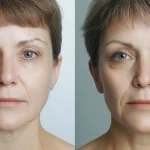
Research on this is still evolving, but there’s some evidence suggesting that long-term use of anti-wrinkle injections may have a preventative effect. A 2006 study of identical twins showed that the twin who received regular anti-wrinkle treatments for 13 years had noticeably fewer wrinkles than her untreated sister.
However, it’s important to remember that starting too early or over-treating could potentially lead to muscle atrophy or an unnatural appearance. Balance is key, and each person’s face ages differently due to genetics, lifestyle, and environmental factors.
Complementary Approaches to Anti-Aging
Anti-wrinkle injections work best as part of a comprehensive approach to managing skin aging. They’re not a magic solution on their own, and they certainly can’t address all aspects of aging.
For example, while Botox targets dynamic wrinkles caused by muscle movement, it doesn’t improve skin texture, pigmentation issues, or volume loss—other key aspects of aging. That’s why many practitioners recommend combining treatments for better results.
Some complementary treatments include:
- Dermal fillers to restore lost volume and smooth static wrinkles
- Chemical peels to improve skin texture and tone
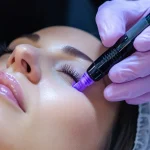
- Microneedling to stimulate collagen production
- Profhilo treatment for skin remodeling and hydration
- Dermaplaning for exfoliation and smoother skin appearance
A good skincare routine is absolutely crucial too. Daily sun protection, retinoids, antioxidants, and moisturizers work synergistically with cosmetic treatments to maintain results and protect skin health.
The Science of Aging and Where Injections Fit In
To really understand what anti-wrinkle injections can and can’t do, we need to look at how aging works on a cellular level. Our skin’s aging process involves several mechanisms that happen simultaneously.
As we age, our bodies produce less collagen and elastin—the proteins that give skin its firmness and elasticity. Cell turnover slows down, and the fat pads under our skin begin to shrink and shift. External factors like UV radiation generate free radicals that damage skin cells and accelerate aging.
Anti-wrinkle injections specifically target one aspect of this complex process: the formation of expression lines. By temporarily paralyzing the muscles that create these expressions, they reduce the appearance of certain wrinkles. But they don’t address other aging factors like collagen loss, decreased cell turnover, or sun damage.
That’s why the most effective anti-aging strategies combine multiple approaches:
- Muscle relaxation (anti-wrinkle injections)
- Volume replacement (dermal fillers)
- Skin resurfacing treatments
- Collagen stimulation
- Protection from environmental damage
- Proper skincare and nutrition
Think of aging as a multi-faceted process that requires a multi-faceted approach. Anti-wrinkle injections are just one tool in the anti-aging toolkit.
Realistic Expectations: What Anti-Wrinkle Injections Can and Cannot Do
I’ve seen many patients with unrealistic expectations about what anti-wrinkle injections can achieve. Let’s be honest about what these treatments can and cannot do.
Anti-wrinkle injections CAN:
- Temporarily reduce the appearance of dynamic wrinkles
- Soften expression lines
- Prevent new wrinkles from forming while the treatment is active
- Create a more refreshed, less tired appearance
- Be customized to preserve natural facial expressions
Anti-wrinkle injections CANNOT:
- Permanently stop the aging process
- Improve deep static wrinkles that are present at rest
- Address skin laxity or sagging
- Improve skin texture or pigmentation issues
- Replace lost facial volume
- Last forever (results are temporary)
The goal of good anti-wrinkle treatment isn’t to freeze your face or make you look 20 years younger. It’s to help you look like the best version of yourself—refreshed, well-rested, and natural. The most successful outcomes happen when patients have realistic expectations and work with skilled practitioners who understand facial anatomy and aesthetics.
Safety Considerations and Potential Side Effects
Anti-wrinkle injections have been used cosmetically for decades and have a good safety record when administered by qualified practitioners. However, like any medical treatment, they come with potential risks and side effects.
Common temporary side effects include:
- Bruising at injection sites
- Mild pain or discomfort
- Redness and swelling
- Headache
- Flu-like symptoms
More serious but rare complications can include:
- Drooping eyelid or eyebrow (ptosis)
- Asymmetry or uneven results
- Difficulty swallowing, speaking, or breathing (if the toxin spreads)
- Allergic reactions
The risk of complications increases significantly when treatments are performed by inexperienced or unqualified providers. That’s why it’s essential to choose a reputable clinic with properly trained medical professionals like Birkinshaw Aesthetics for your treatments.
Before getting anti-wrinkle injections, you should have a thorough consultation to discuss your medical history, any medications you’re taking, and your aesthetic goals. Certain conditions and medications may make you unsuitable for treatment.
The Role of Lifestyle in Supporting Anti-Aging Treatments
No cosmetic treatment exists in a vacuum. The effectiveness and longevity of anti-wrinkle injections are influenced by your overall lifestyle and skincare habits.
To maximize the benefits of your treatments, consider these factors:
Sun protection is absolutely non-negotiable. UV radiation is responsible for up to 90% of visible skin aging. Daily sunscreen use helps preserve treatment results and prevents new damage.
Your diet matters too. Foods rich in antioxidants help fight free radical damage, while adequate protein provides the building blocks for healthy skin. Staying hydrated supports skin elasticity and function.
Smoking accelerates skin aging dramatically by restricting blood flow and exposing skin to toxins. If you smoke, quitting is one of the most effective anti-aging steps you can take.
Sleep quality affects skin health and repair. During deep sleep, your body increases production of growth hormone, which helps repair daily damage.
Stress management might seem unrelated to wrinkles, but chronic stress increases cortisol levels, which can break down collagen and accelerate aging. Finding effective ways to manage stress helps maintain skin health.
Making Informed Decisions About Anti-Wrinkle Treatments
Deciding whether anti-wrinkle injections are right for you requires careful consideration of several factors. Here are some important questions to ask yourself:
What are your specific concerns about aging? If dynamic wrinkles (those caused by facial movements) bother you, anti-wrinkle injections might help. If your concerns are primarily about volume loss, skin texture, or sagging, other treatments might be more appropriate.
What are your expectations? Understanding the limitations of these treatments helps ensure satisfaction with your results.
Are you prepared for maintenance treatments? Since results are temporary, maintaining your appearance requires regular treatments every 3-6 months.
Have you researched practitioners thoroughly? The skill and experience of your provider significantly impact your results and safety.
A comprehensive consultation with a qualified professional at a clinic like Birkinshaw Aesthetics can help answer these questions and determine the most appropriate treatment plan for your specific needs.
Consider starting with a conservative approach—especially if it’s your first treatment—and adjusting based on your results and preferences. Remember that when it comes to cosmetic treatments, less is often more, and natural-looking results generally require a subtle, gradual approach.
Frequently Asked Questions
At what age should I start anti-wrinkle injections?
There’s no one-size-fits-all answer. Some people begin in their late 20s for prevention, while others start in their 40s or 50s when wrinkles become more noticeable. The right time depends on your facial anatomy, genetics, and personal preferences. A consultation with a qualified practitioner can help determine the appropriate timing for you.
How often will I need treatments to maintain results?
Most people need treatments every 3-6 months, though this can vary based on individual factors like metabolism, muscle strength, and the area being treated. Some people find that with regular treatments over time, they may be able to extend the interval between sessions as muscles become trained to relax.
Can anti-wrinkle injections help with issues other than wrinkles?
Yes! Anti-wrinkle injections are used for several non-cosmetic purposes, including treatment for excessive sweating (hyperhidrosis), jaw clenching/grinding (bruxism), chronic migraines, and certain muscle spasms. The versatility of botulinum toxin makes it useful for addressing various medical and cosmetic concerns.
Will my face look frozen after treatment?
Not with proper treatment. Today’s approach to anti-wrinkle injections focuses on natural-looking results that preserve facial expressiveness. A skilled practitioner will use the appropriate amount of product and precise injection techniques to reduce wrinkles while maintaining natural movement. “Frozen face” is typically the result of overtreatment or poor technique.
What happens if I stop getting anti-wrinkle injections?
Your muscles will gradually return to their pre-treatment function, and wrinkles will reappear over time. Contrary to some myths, stopping treatment doesn’t make wrinkles worse than they would have been without treatment. However, you might subjectively feel they look worse simply because you’ve become accustomed to your smoother appearance.
Can anti-wrinkle injections be combined with other treatments?
Absolutely. Many practitioners recommend a combination approach for comprehensive results. Anti-wrinkle injections are often used alongside dermal fillers, skin resurfacing treatments, and medical-grade skincare for optimal anti-aging benefits. Your treatment plan can be customized based on your specific concerns and goals.